


first time porting irons


Thread Starter
Junior Member
Joined: Aug 2004
Posts: 20

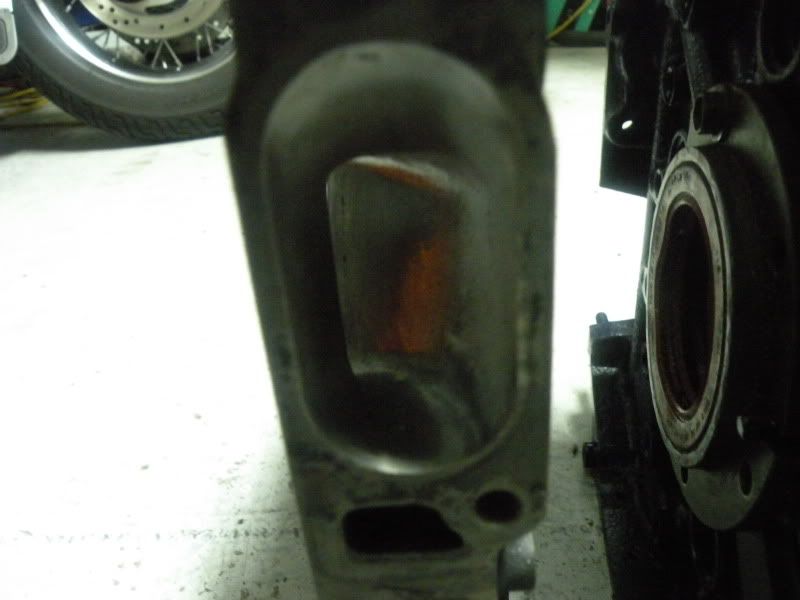
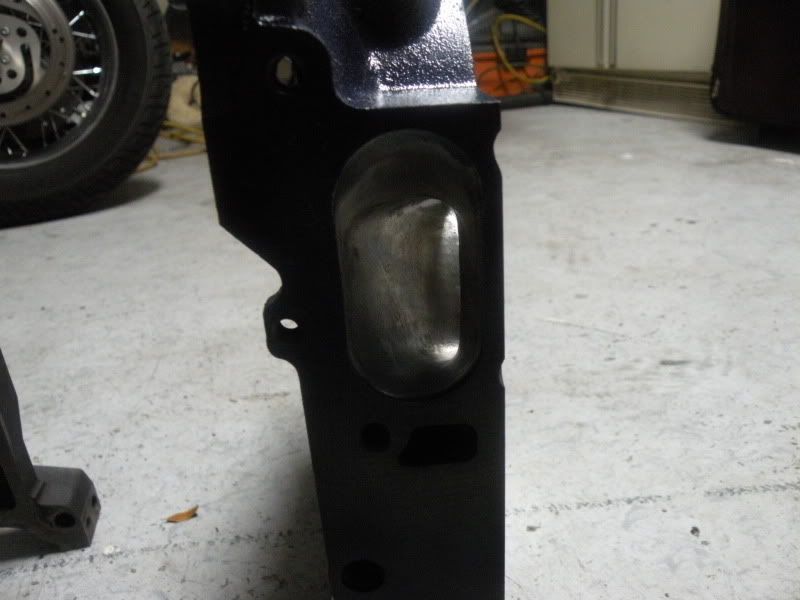
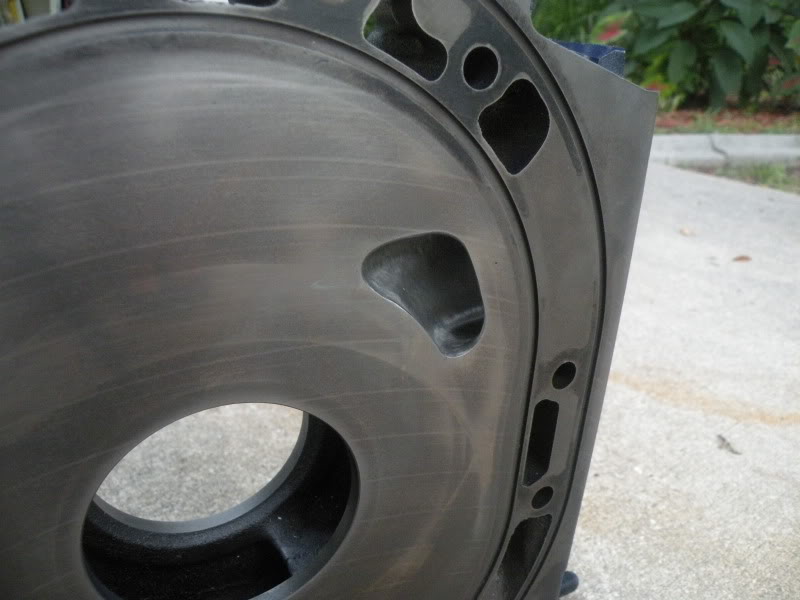
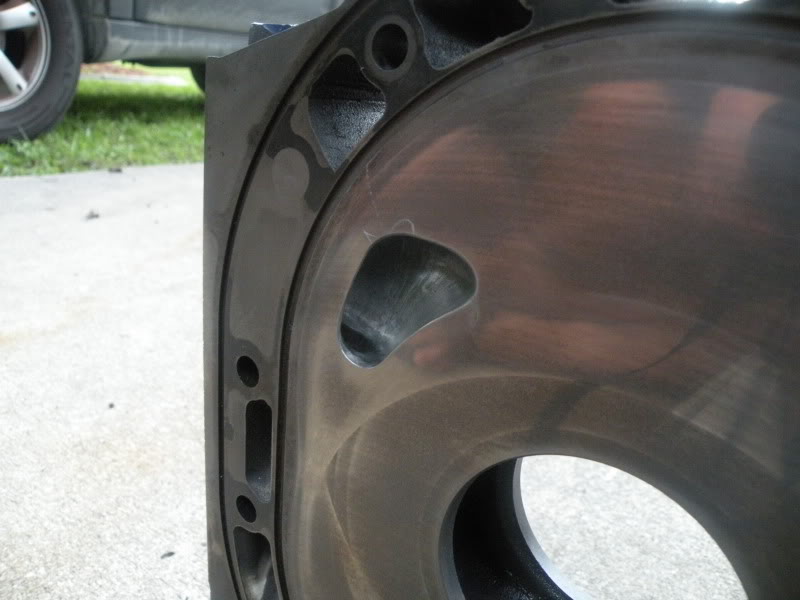
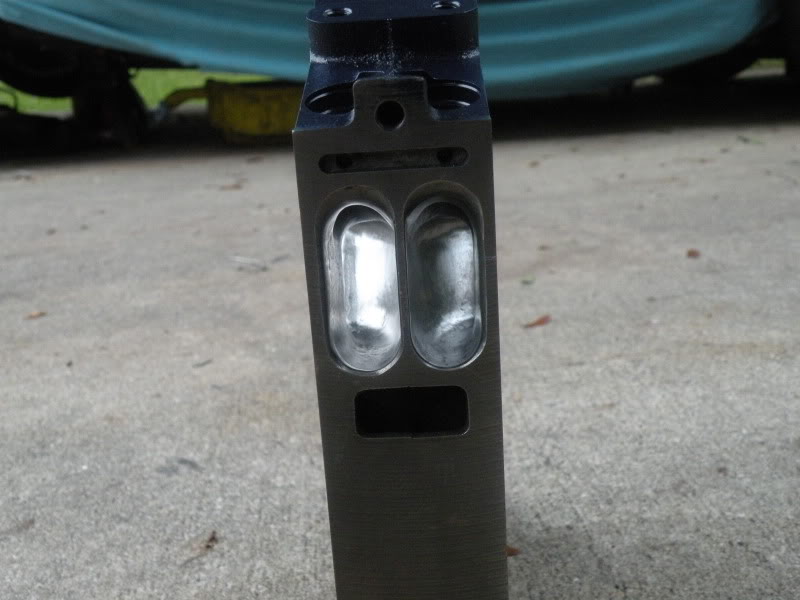
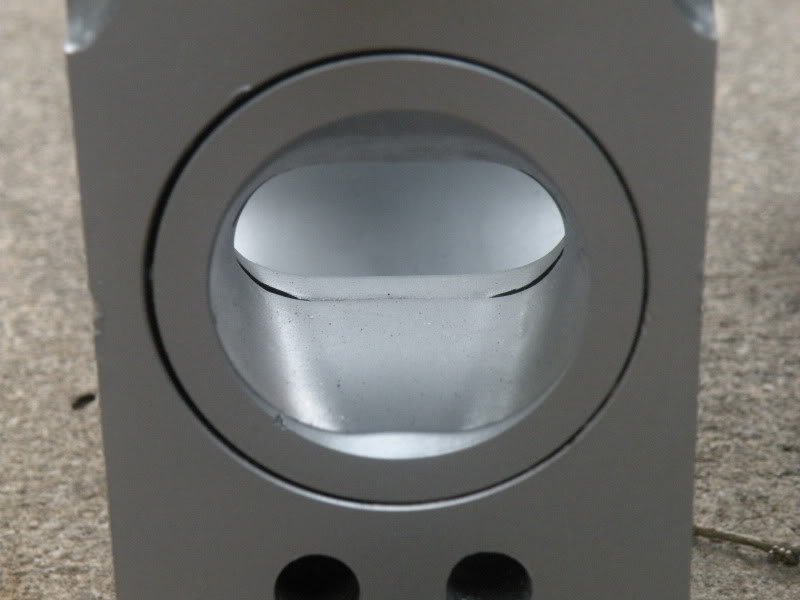
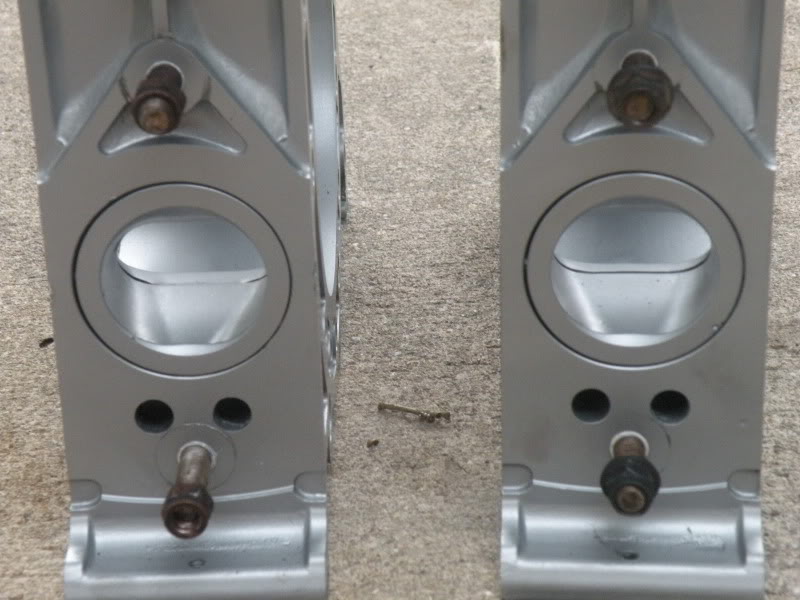
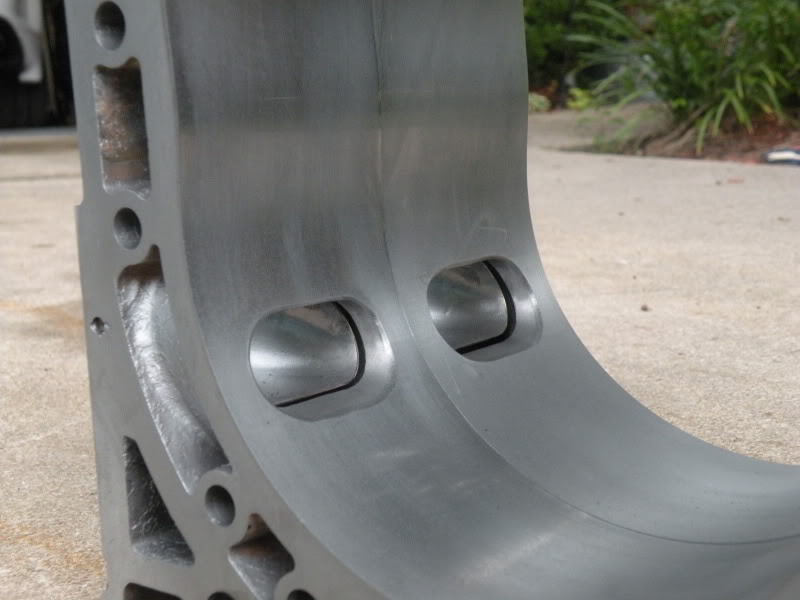
heres my freshly ported irons for my high comp 13b-re build. let me know what you think. also do you think that is enough of a bevel that the trailing side seal isn't going have any binding issues? thanks zack
both secondaries
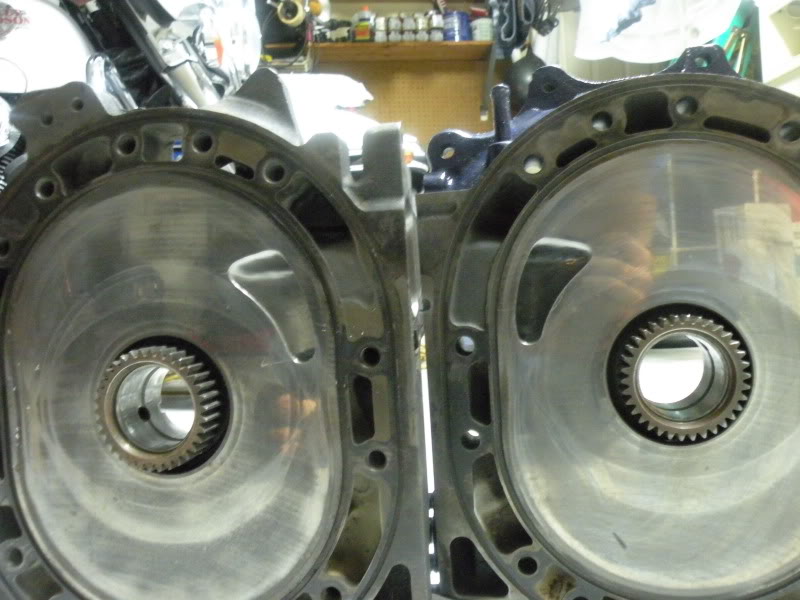
front iron
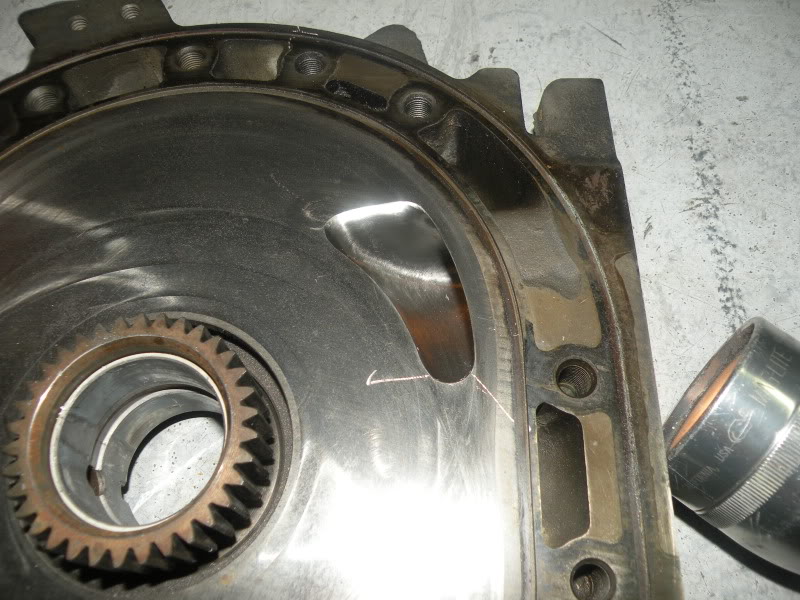
rear iron
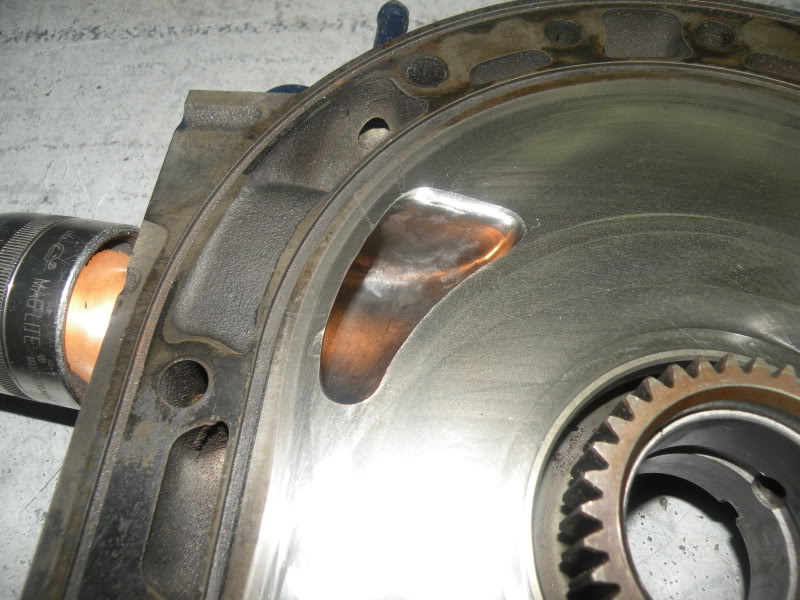
runners
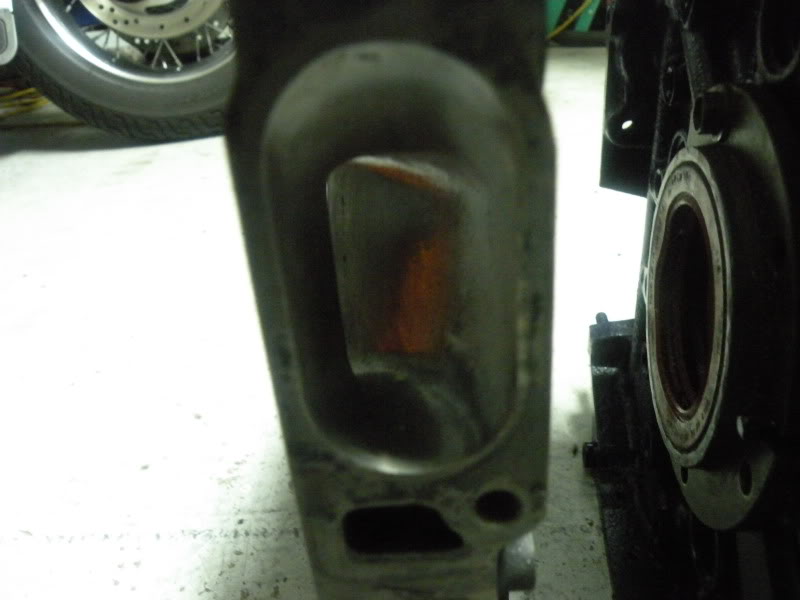
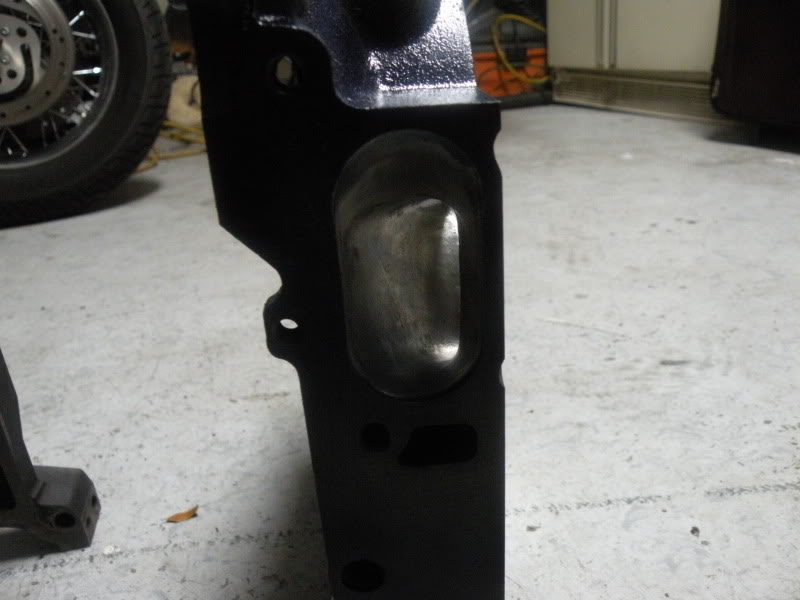
both secondaries
front iron
rear iron
runners

Fabricator

Joined: Jan 2004
Posts: 1,322
From: Central Ohio (Hebron) Zephyrhills Fla.
heres my freshly ported irons for my high comp 13b-re build. let me know what you think. also do you think that is enough of a bevel that the trailing side seal isn't going have any binding issues? thanks zack
both secondaries
Looks good from here. The school figures can be avoided by laying down 4 layers of duct tape on the iron right beside your scribe lines. I cannot tell if the trailing end of the side seal is off of the iron across the port so I cannot comment. If so, a bigger radius at the bottom to protect the trailing end should the engine turn over backwards. Looks fine. What are the event numbers?
Lynn E. Hanover
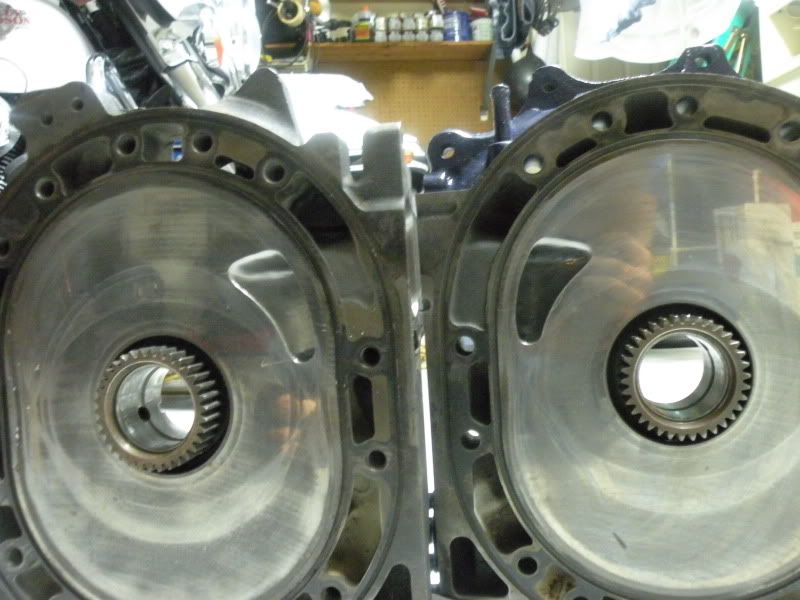
front iron
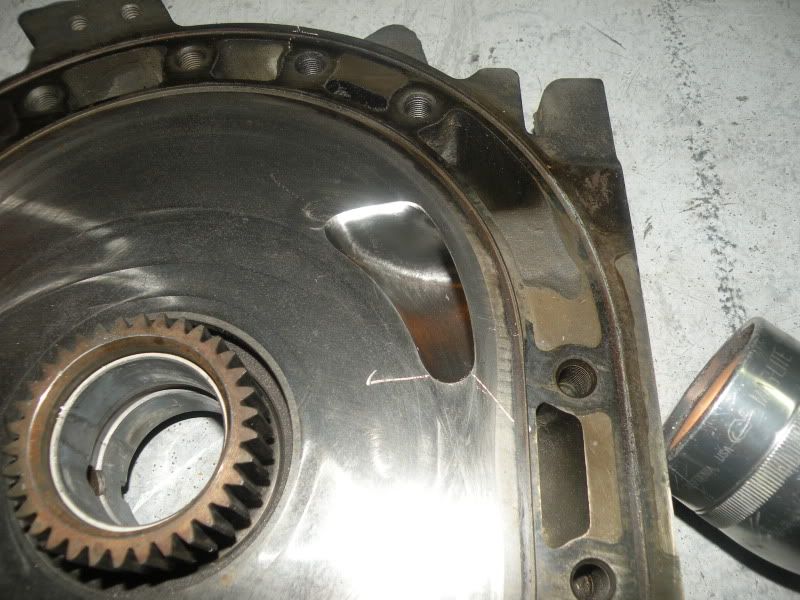
rear iron
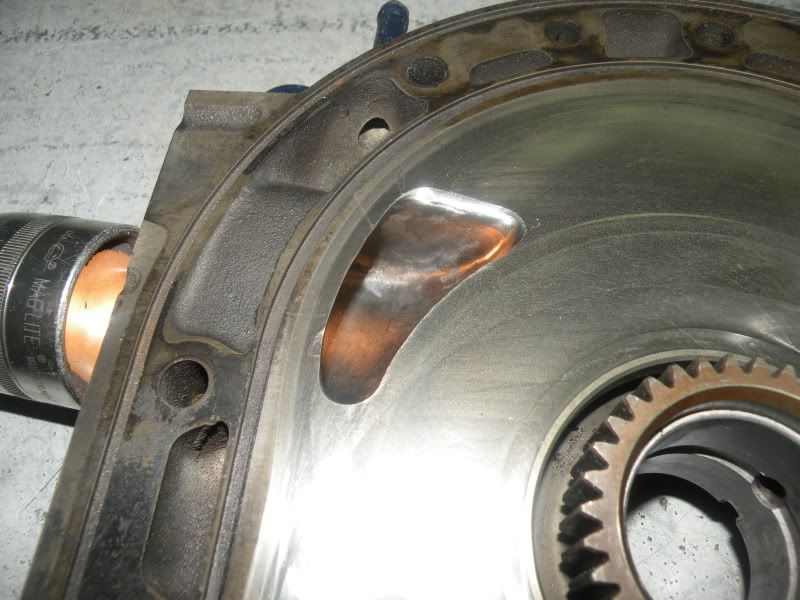
runners
both secondaries
Looks good from here. The school figures can be avoided by laying down 4 layers of duct tape on the iron right beside your scribe lines. I cannot tell if the trailing end of the side seal is off of the iron across the port so I cannot comment. If so, a bigger radius at the bottom to protect the trailing end should the engine turn over backwards. Looks fine. What are the event numbers?
Lynn E. Hanover
front iron
rear iron
runners
Fabricator
Joined: Jan 2004
Posts: 1,322
From: Central Ohio (Hebron) Zephyrhills Fla.
In the 12A all of the port openings are the same, so the mask for the secondary ports works for the primary ports.
All 13Bs have dissimilar primary ports, so a different mask is used.
Cut open a junk rotor, so that you can look through the back of the corner seal holes and about 1/2" of the backs of the side seal grooves. Do this on both sides of the rotor.
Cut out about a quarter of a scrap rotor housing in the port area. Assemble this engine with 4 case bolts, another rotor housing, a crank and stationary gears. Ink up the port areas with a Magic Marker. Scribe the seal end tracks by turning the crank slowly with a sharpened side seal pushing against a corner seal in its hole. Scribe both ends of the side seal groove on the iron. Move rotor and modified housing to the second position and do those irons. You can have the degree wheel installed during the mark up, and lay out the closing lines and open lines at the same time.
With two modified rotor housings and two modified rotors this can take less than an hour. But you need only one of each.
Make paper copies or your ports keyed to the dowl holes. Mark the copies with the timing data. When you settle on a set of ports you like, you can make a metal mask of the port design. The primary ports on one side and the secondary ports on the other. Then you can repeat the port layout from the mask in a few minutes without assembling your cutaway engine. A metal cutting band saw is a real big help.
This may sound overly complex, but as you go along it explains itself more or less. Pictures of the seal tracks and closing line finishing are on this site.
Any question, any time.
Lynn E. Hanover
Thread Starter
Junior Member
Joined: Aug 2004
Posts: 20
cool thanks for the info. i already have a couple of rotors i've cut away for checking seal clearances so ill have to cut up some housings. what do you think of the port timing i have so far for the secondaries? what do you reccomend for port timing on the primaries for a turbo setup to match what the secondaries are at? thanks for your time. zack
Fabricator
Joined: Jan 2004
Posts: 1,322
From: Central Ohio (Hebron) Zephyrhills Fla.
cool thanks for the info. i already have a couple of rotors i've cut away for checking seal clearances so ill have to cut up some housings. what do you think of the port timing i have so far for the secondaries? what do you reccomend for port timing on the primaries for a turbo setup to match what the secondaries are at? thanks for your time. zack
The port timing is fine for a NA street machine (street port).
When you are young it is typical to hear "if some is good, more will be better" And so it is a result of enthusiasm rather than a a long developed pool of knowledge that causes costly mistakes.
Changing open events and closing events is the same as installing a wilder cam (Higher lift and or more timing) in a piston engine. In piston engines the rule of thumb is that the more displacement it has the wilder the cam it will take. This is because the more air moving through a runner (Mass) the greater energy contained, and the higher energy for overcoming a reversal of flow. So Big engines can use more port (valve) timing, and for the same reasons (Mass flow in the runners) small displacement engines cannot use big changes in port timing.
So, note that to overcome some of this problem at low RPM (low or no boost) the FD engine has two turbochargers. They are small for quick spooling And they are sequential (one after the other) so the boost can come on at lower RPM. The port timing may be quite modest on the primary ports (early closing) just to help get the car rolling from a dead stop, (with zero boost). So in the turbo engines I suspect you can really hurt derivability by moving the closing line to later.
Rotaries have poor low speed torque, and later closing reduces torque. The turbo car at a light is off the boost, so it acts like a NA car with a lower compression ratio.
Also in the NA engines the engine spends most of its life at small throttle settings and on the primary ports. Even at low freeway speeds the secondaries may not be open.
So and advantage may be had by opening the primaries a bit early. Smoothing the bowl but not the short side radius. Reducing the radius of the closing line shape in plan view. I would radius the closing line and early open a bit but not move the closing line. You want good off idle torque for leaving a dead stop with no drama. A bit more power at smaller throttle openings and try to retain some amount of fuel mileage. Save the later closing point for the secondaries. Or even a bridgeport, or dropping the trailing end of the side seal.
You may have to cover the opening of the secondaries with a higher RPM engagement to cover the RPM trop in most street gears. (dismal).
Keep in mind, I don't know anything about turbo engines.
Lynn E. Hanover
Fabricator
Joined: Jan 2004
Posts: 1,322
From: Central Ohio (Hebron) Zephyrhills Fla.
You may have to cover the opening of the secondaries with a higher RPM engagement to cover the RPM trop in most street gears. (dismal).
For a extream street port, where the trailing end of the side seal will be unsupported crossing the port (very early opening) here is a drawing of the closing line changes that help prevent seal damage. Also the open line must be adjusted to be clear the end of the seal. Also the radius at the bottom of the port must be increased to pick up the seal should the engine be turned over backwards for any reason.
Keep in mind, I don't know anything about turbo engines.
Lynn E. Hanover
[/quote]
For a extream street port, where the trailing end of the side seal will be unsupported crossing the port (very early opening) here is a drawing of the closing line changes that help prevent seal damage. Also the open line must be adjusted to be clear the end of the seal. Also the radius at the bottom of the port must be increased to pick up the seal should the engine be turned over backwards for any reason.
Keep in mind, I don't know anything about turbo engines.
Lynn E. Hanover
[/quote]